
Description
Product Overview
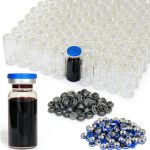
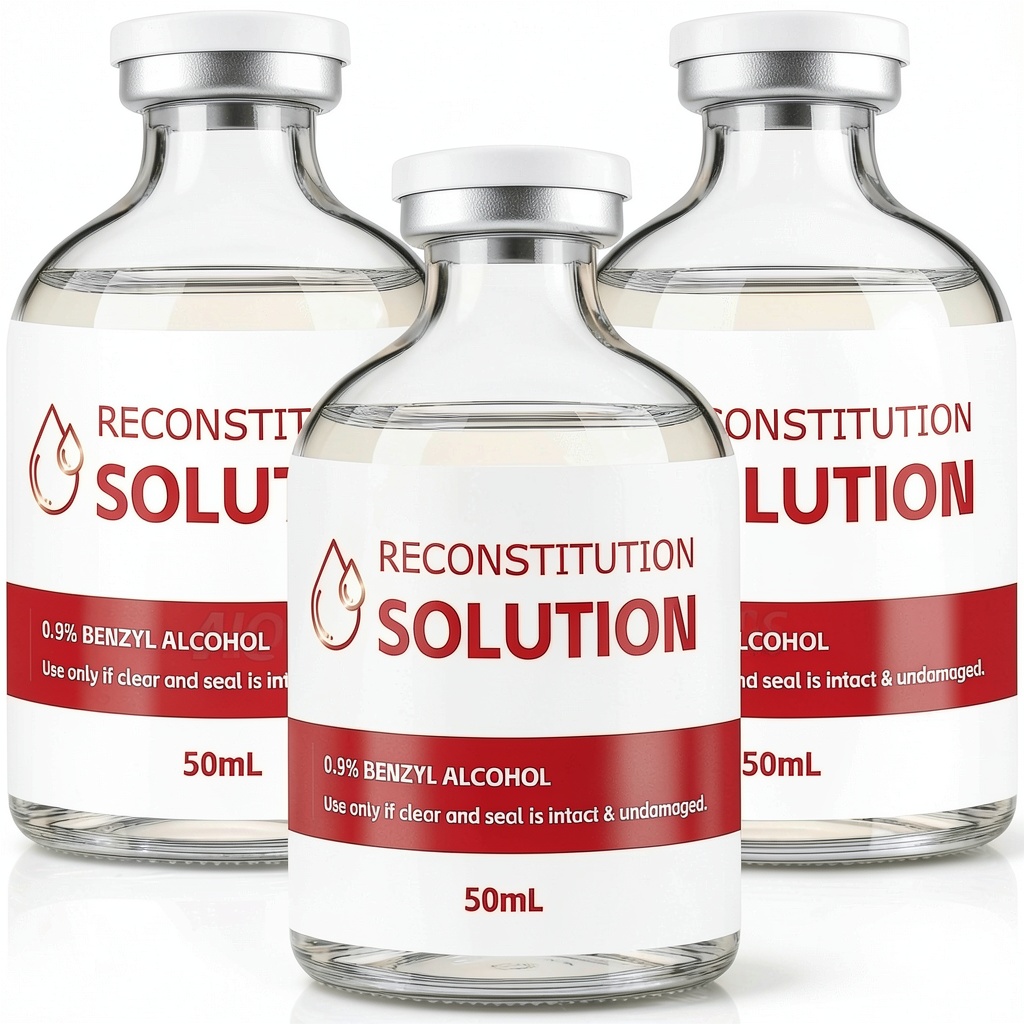
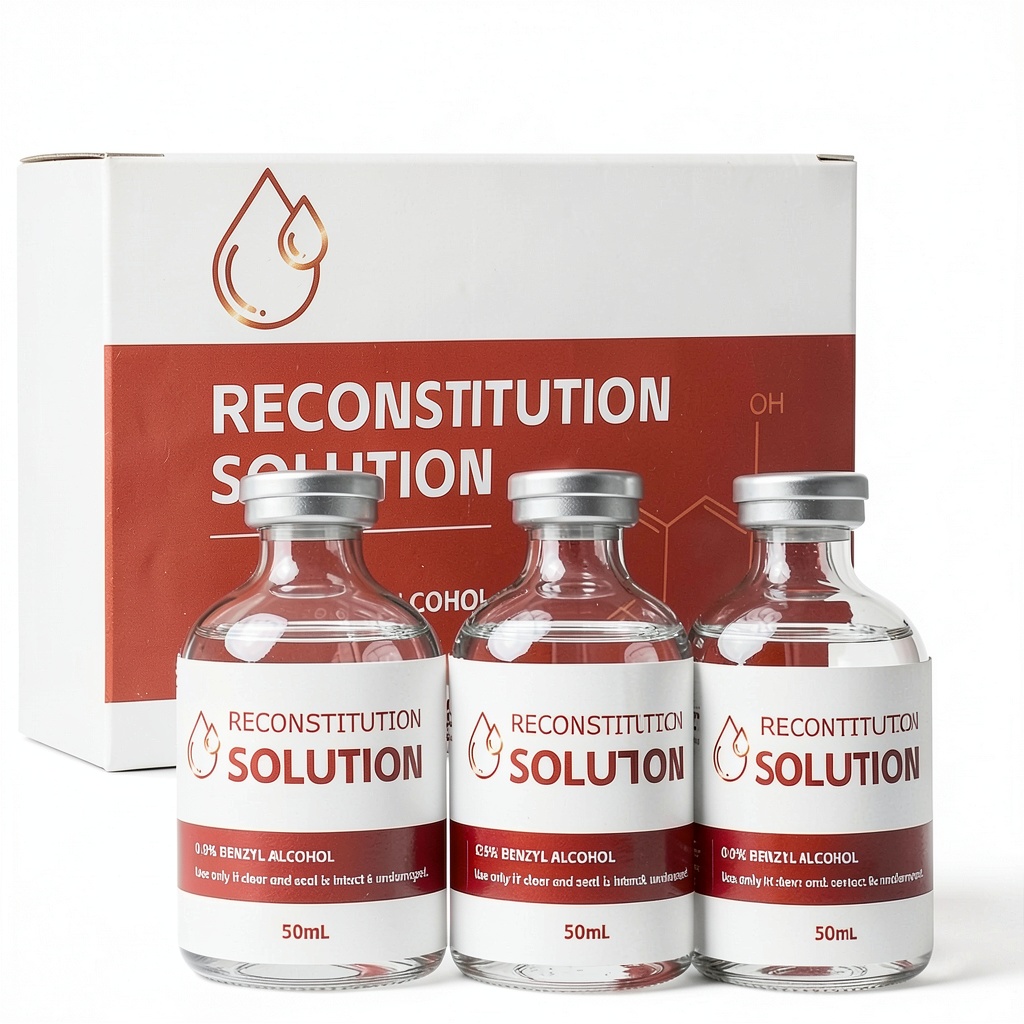
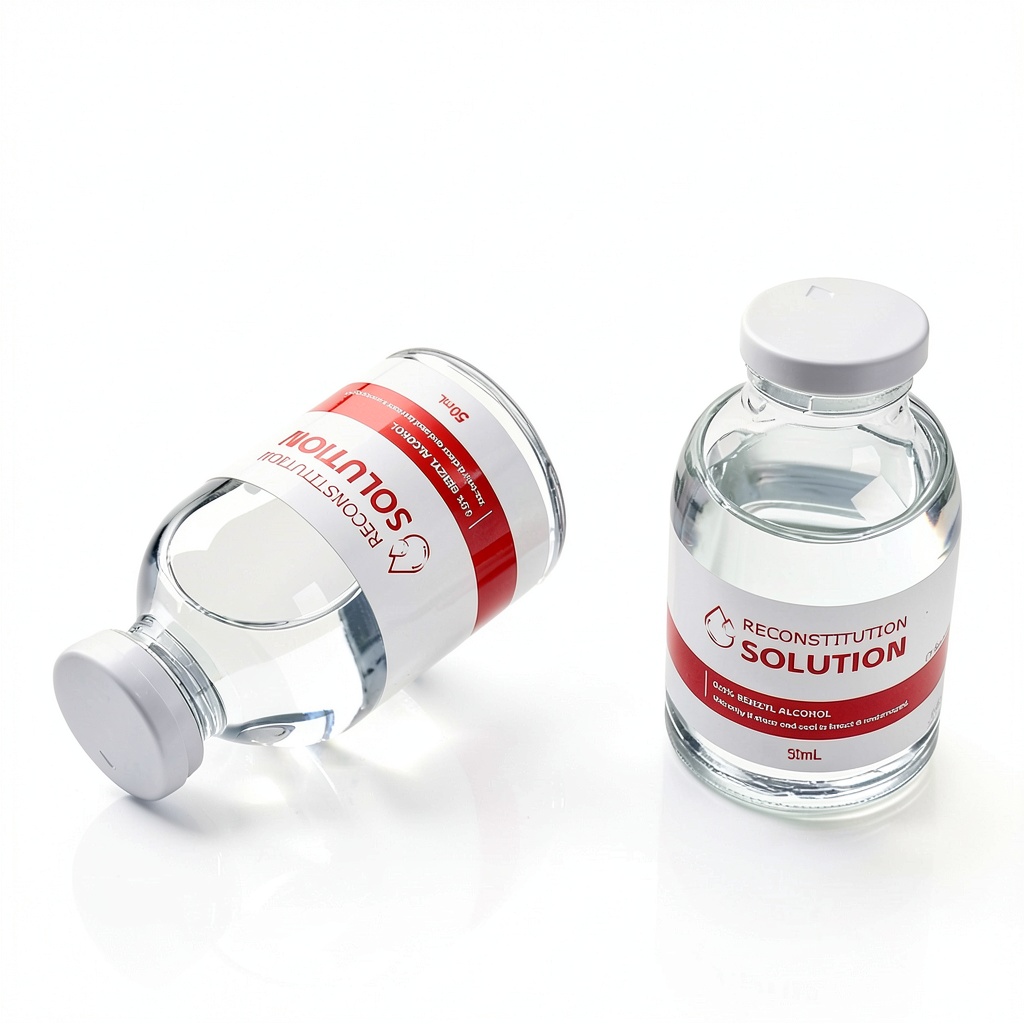
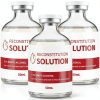
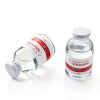
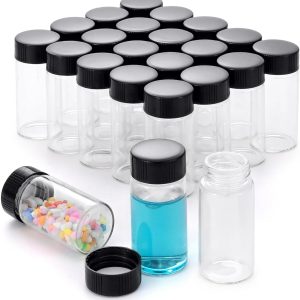
Introducing the BuggyBeds 50 ml heavy duty vials, engineered for laboratory environments where reliability and clarity are essential. Each vial is crafted from ultra‑clear borosilicate glass that resists thermal shock and chemical corrosion, providing a pristine view of the contents at all times. The 50 ml capacity meets the standard volume requirements for reconstitution solutions, allowing researchers to work with precise concentrations without the need for additional measuring devices. Packaged in a convenient three‑pack, the vials are triple sealed with a silicone‑lined stopper that guarantees a leak‑proof seal even under vigorous mixing or centrifugation. The robust glass walls are reinforced to withstand accidental drops and handling stresses, reducing the risk of breakage during routine lab workflows. Dimensions of 5.79 × 3.31 × 2.01 inches and a net weight of 12.31 ounces per pack make storage and transport straightforward, while the compact footprint fits easily into standard rack systems. Manufactured in the United States by BuggyBeds, a trusted supplier of laboratory glassware, these vials carry the model number 50ML‑3 and are identified by ASIN B0FQBYFW7H for easy reference. With a Best Sellers Rank of #10,128 in Industrial & Scientific and #27 in Lab Sample Vials, the product has earned a solid reputation among researchers, reflected in a 4.7‑star rating from 20 verified customer reviews. Designed exclusively for research use, the vials are not intended for human consumption, ensuring compliance with laboratory safety standards.
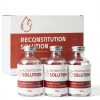
Each three‑pack is sealed in a recyclable cardboard box that protects the vials from impact and moisture during transit. The packaging includes a clear label displaying the model number, capacity, and safety warnings, allowing quick identification on shelves and in inventory systems. Shipping dimensions of the boxed set are optimized to fit standard pallet configurations, reducing handling costs for bulk orders. The vials comply with FDA‑recognized laboratory glass standards, ensuring they meet the stringent requirements for chemical resistance and inertness. For laboratories operating under Good Laboratory Practice (GLP) guidelines, the product’s traceability features, such as batch numbers and manufacturing dates, support documentation and audit trails. The glass composition is free from lead, cadmium, and other heavy metals, aligning with environmental health and safety policies. In addition, the product is tested for compatibility with a wide range of solvents, including organic, aqueous, and acidic solutions, guaranteeing that the vial walls will not leach contaminants into the sample. The silicone stopper is manufactured to ISO‑10993 standards for biocompatibility, making the vials suitable for use with cell culture media and biologics. Customers benefit from a straightforward return policy that allows replacement of any damaged units received due to shipping incidents, reinforcing confidence in the reliability of the supply chain. Finally, the 3‑pack configuration offers a cost‑effective solution for laboratories that require multiple vials for parallel experiments, reducing the need for frequent re‑ordering and inventory management overhead.
Usage
In practice, the 50 ml vials are frequently employed in the preparation of antibiotic reconstitution solutions, where precise dilution of lyophilized powders into sterile water is critical for achieving therapeutic concentrations. The clear glass allows technicians to verify complete dissolution of powders by visual inspection, reducing the risk of incomplete reconstitution that could affect downstream assays. For enzymatic reactions that require temperature ramps, the vials can be placed directly into a water bath or heating block, with the silicone stopper maintaining a secure seal throughout temperature changes. When conducting cell culture experiments, the vials serve as convenient containers for media supplementation, enabling researchers to add growth factors or antibiotics in a controlled manner before transferring the media to culture vessels. The heavy‑duty design also supports short‑term storage of volatile organic compounds, as the tight seal minimizes evaporation and preserves concentration integrity. In high‑throughput screening laboratories, the uniform size of the vials facilitates automated dispensing using robotic pipetting arms, which can aspirate and dispense liquids with high precision while the vial remains stationary in a rack. Additionally, the vials are compatible with spectrophotometric cuvette holders, allowing absorbance measurements to be taken directly without transferring the sample to a separate cuvette, thereby streamlining workflow and reducing sample loss. For long‑term archival of reference standards, the vials provide a stable environment that protects sensitive compounds from light exposure, as the amber‑tinted version of the vial can be requested for light‑sensitive applications.
These 50 ml vials are ideally suited for a wide range of laboratory applications, including the preparation of reconstitution solutions, dilution of stock compounds, and temporary storage of sensitive biological samples. The ultra‑clear glass allows technicians to monitor color changes, precipitation, or phase separation without opening the container, preserving sample integrity and reducing contamination risk. Because the silicone‑lined stopper provides a hermetic seal, the vials can be safely subjected to vortex mixing, gentle shaking, or short‑term centrifugation without fear of leakage. The 50 ml volume aligns with common protocol volumes for enzyme assays, cell culture media preparation, and small‑scale synthesis, eliminating the need for multiple transfers that could introduce error. Researchers working in microbiology, biochemistry, pharmacology, and analytical chemistry will find the vials compatible with standard rack formats, incubators, and refrigerated storage units. The heavy‑duty construction also tolerates temperature fluctuations from -20 °C up to 150 °C, making the vials appropriate for freeze‑thaw cycles and heat‑based decontamination procedures. In addition, the reusable nature of the vials supports sustainable laboratory practices, allowing labs to reduce plastic waste while maintaining consistent performance across experiments. When paired with compatible labeling solutions, the vials provide a clear and organized system for tracking sample identity, concentration, and experimental conditions throughout the research workflow.
Why Choose Us
Choosing BuggyBeds for your laboratory glassware means investing in products that combine durability, clarity, and precision engineering. Each vial undergoes a rigorous quality control process that includes visual inspection, dimensional verification, and leak testing to ensure that every unit meets the high standards expected by scientific professionals. The manufacturing facility in the United States adheres to ISO‑9001 guidelines, providing traceability and consistency across production batches. By sourcing premium borosilicate glass, the vials resist acidic and basic solutions, reducing the risk of glass etching that could compromise sample purity. The triple‑seal silicone stopper is designed for repeated opening and closing cycles without loss of performance, offering a cost‑effective alternative to disposable plastic containers. In addition, BuggyBeds offers responsive customer support that assists laboratories with product selection, troubleshooting, and compliance documentation, reinforcing a partnership that extends beyond the point of sale. Sustainability is also a core value; the reusable nature of the vials, combined with the company’s recycling initiatives for packaging materials, helps research institutions lower their environmental footprint. Finally, the competitive pricing of the 3‑pack bundle provides excellent value without sacrificing quality, making these vials a practical choice for both academic and industrial research settings.
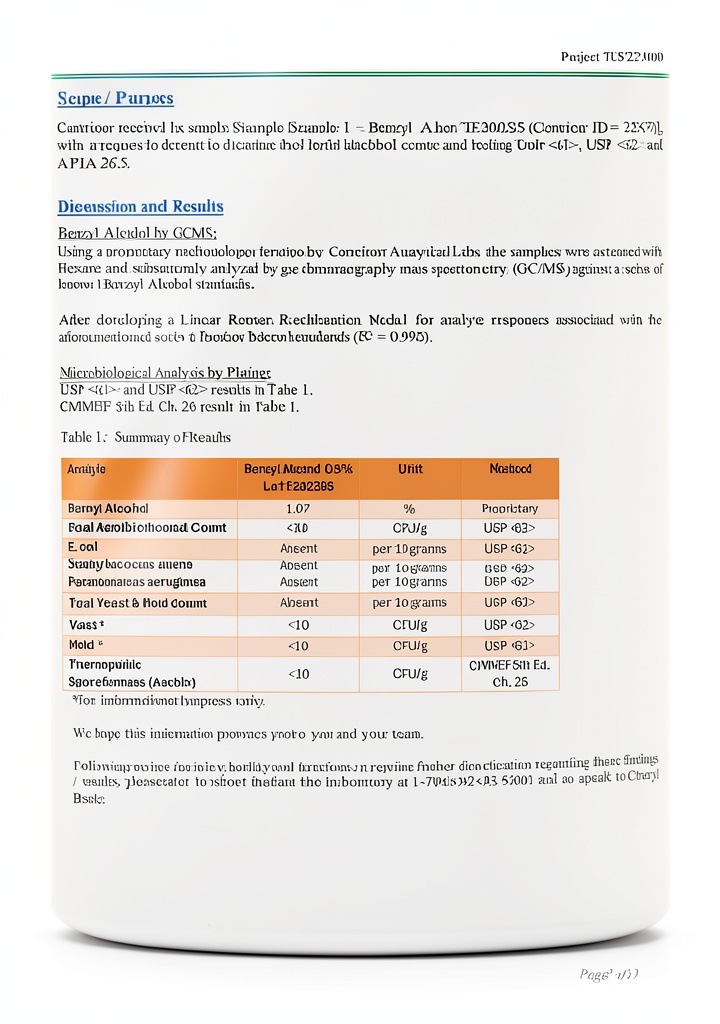
All vials meet the requirements of ISO 17025 accredited testing laboratories, providing confidence that the containers will not interfere with analytical measurements. The glass composition is verified through inductively coupled plasma mass spectrometry (ICP‑MS) to confirm the absence of trace metal contaminants, a critical factor for trace‑analysis applications such as environmental monitoring and pharmaceutical impurity profiling. The silicone stopper undergoes leach testing in accordance with USP guidelines, ensuring that no extractables compromise the purity of the stored solution. Documentation, including certificates of analysis and material safety data sheets, is readily available upon request, facilitating regulatory compliance for both academic and industrial research environments.
Key Features
- Ultra‑clear borosilicate glass offers full visibility of contents, enabling quick visual checks without opening the vial.
- Heavy‑duty construction resists breakage and thermal shock, providing reliable performance from -20 °C to 150 °C.
- Triple‑seal silicone stopper ensures a leak‑proof, reusable seal for repeated use in mixing and centrifugation.
- Three‑pack design offers cost‑effective inventory management, reducing the need for frequent reordering.
- Made in the USA with ISO‑9001 quality control, backed by responsive customer support and comprehensive documentation.
FAQ
Can these vials be autoclaved for sterilization?
Yes, the vials are designed to withstand standard autoclave cycles. The borosilicate glass tolerates temperatures up to 121 °C for 30 minutes at 15 psi without deformation, and the silicone‑lined stopper retains its sealing properties after repeated sterilization. To autoclave, place the vials in a heat‑resistant rack, ensure the caps are securely tightened, and follow the manufacturer’s recommended cycle parameters. After the cycle, allow the vials to cool gradually to avoid thermal shock. It is advisable to inspect the stopper for any signs of wear before reuse, and to replace the stopper if the seal is compromised. This process ensures a sterile environment while preserving the integrity of the container. For best results, use a vented autoclave to prevent pressure buildup inside the vial, and store the vials in a dry environment after sterilization to maintain the stopper’s elasticity.
What is the maximum pressure the vial can withstand?
The vials are rated to tolerate internal pressures up to 2 bar (approximately 29 psi) at room temperature, which covers most laboratory mixing and centrifugation applications. During high‑speed centrifugation, the sealed vials can safely endure the generated g‑forces without leakage, provided the caps are tightened according to the manufacturer’s torque specifications. For applications requiring higher pressures, such as gas chromatography sample injection, it is recommended to use specialized pressure‑rated containers. Users should always inspect the vial and stopper for any signs of micro‑cracks or deformation before pressurizing, and avoid rapid temperature changes that could exacerbate pressure differentials. Adhering to these guidelines ensures safe operation within the vial’s pressure limits. If the vial is subjected to pressures beyond this rating, the risk of rupture increases, and the user should replace the vial immediately.
Are the vials compatible with standard rack systems?
Yes, the 50 ml vials conform to the ANSI/SLAS standard dimensions for laboratory sample containers, making them fully compatible with most universal rack formats used in research labs. The flat base and uniform neck diameter allow the vials to sit securely in 2‑inch, 4‑inch, and 6‑inch rack configurations without wobbling. When placed in a standard 96‑well plate holder, the vials can be arranged in a 3‑by‑4 grid, facilitating organized storage and easy access during experimental workflows. The design also accommodates magnetic racks for magnetic stirrers, as the glass does not interfere with magnetic fields. For specialized applications, custom racks can be fabricated to match the exact dimensions of the vials, ensuring seamless integration into existing laboratory infrastructure.
How should the silicone stopper be maintained for long‑term reuse?
Clean the silicone stopper after each use with a mild detergent and rinse thoroughly with deionized water. Do not use abrasive pads; gentle wiping preserves the seal surface. Allow the stopper to air‑dry completely before resealing to avoid trapped moisture that can degrade the silicone over time. Inspect the stopper regularly for signs of swelling, discoloration, or loss of elasticity, especially after exposure to aggressive solvents, and replace it if any damage is observed. Store the vials with caps loosely closed in a dry environment to maintain stopper elasticity for many reuse cycles. Documentation such as the material safety data sheet provides detailed guidelines on compatible cleaning agents and recommended storage conditions.

 Global Marketing Kindle Edition English 4th Edition
  Advertising Design Guide Rockport Publishers eBook
Reviews
There are no reviews yet.